
Nyepi & Pengerupukan in Ubud: Bali’s Most Sacred Traditions
Nyepi & Pengerupukan in Ubud are a series of sacred traditions of Balinese Hindus that present two very contrasting atmospheres: vibrant, energetic celebrations and total silence. Meanwhile, Nyepi is known as the Saka New Year, celebrated through stillness. In contrast, Pengerupukan is the spirited night preceding Nyepi, famously marked by Ogoh-ogoh parades.
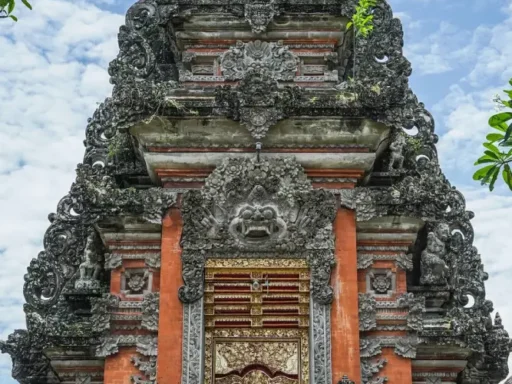
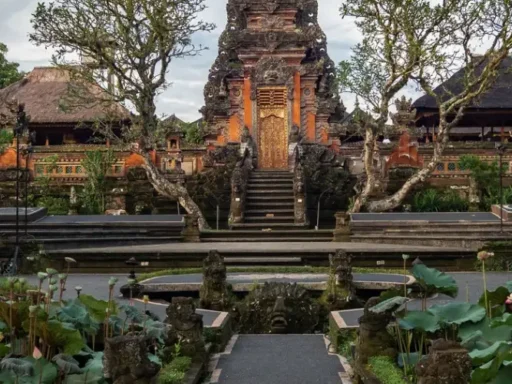
In Ubud, these traditions are showcased with a more artistic and theatrical nuance. Central city areas such as around Puri Saren Agung (Ubud Palace) and Jalan Monkey Forest become some of the best locations to witness the lively and culturally rich Pengerupukan processions.
Read More Things to Do in Ubud: Explore Nature, Culture, and Hidden Gems
🔥 Pengerupukan: A Night of Purification Full of Energy
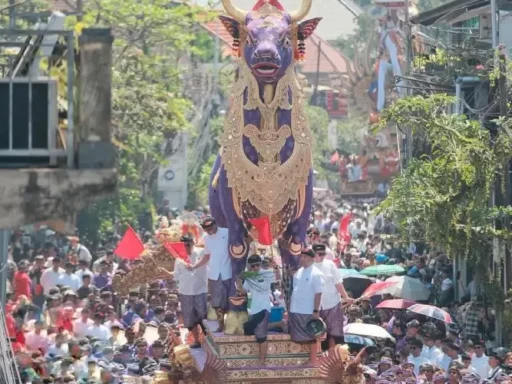
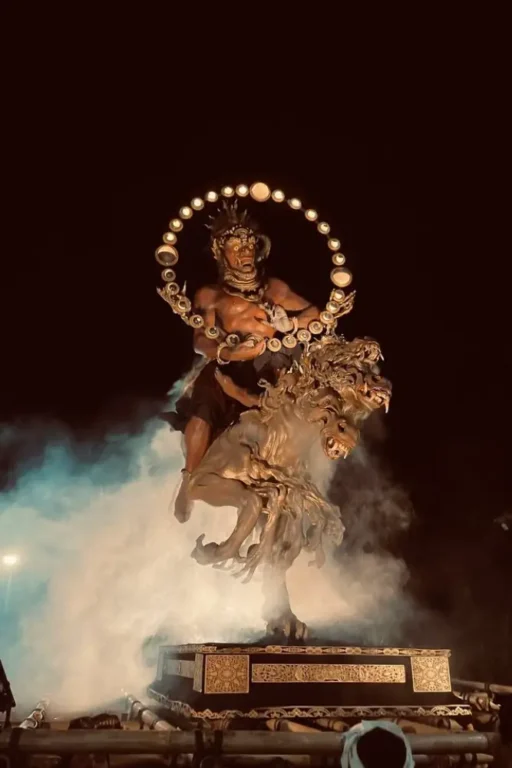
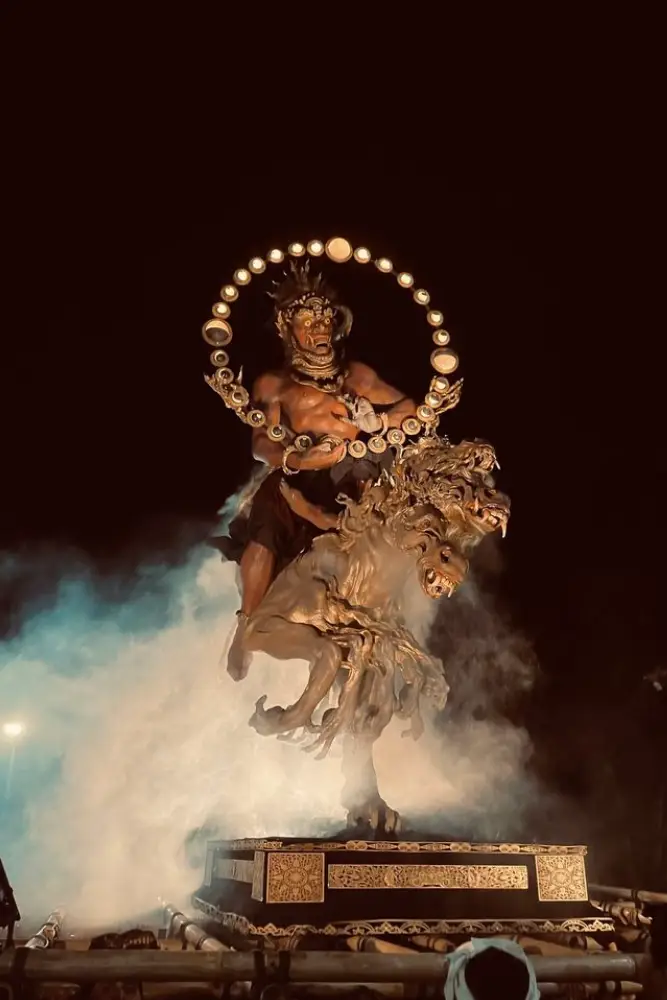
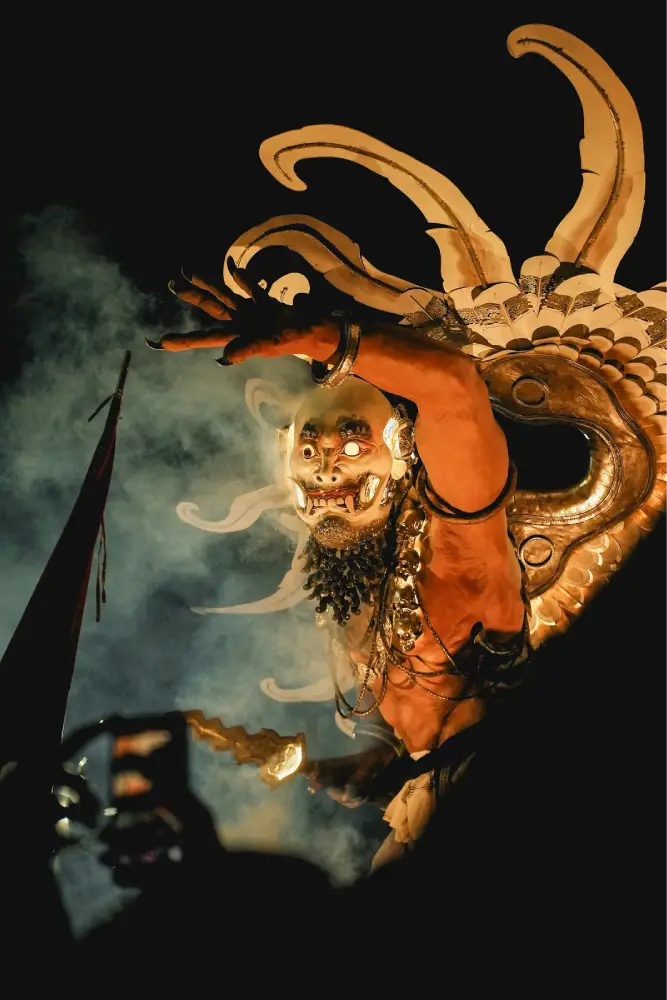
Firstly, Pengerupukan is the night before Nyepi, filled with enthusiasm and festivity. During this time, Balinese communities parade Ogoh-ogoh, giant effigies symbolizing negative traits and evil spirits.
Moreover, the Ogoh-ogoh parade is accompanied by dynamic baleganjur gamelan music and the ritual of Tawur Kesanga, an offering ceremony intended to balance the relationship between humans, nature, and the spiritual realm. After the parade, the Ogoh-ogoh are usually burned or destroyed as a symbol of driving away negative energy and purifying the universe.
🌑 Nyepi: The Day of Total Silence in BaliNyepi is a sacred day for Balinese Hindus, observed in
Complete silence through the Catur Brata Penyepian, which includes:
- Amati Geni (no lighting fire or lights),
- Amati Lelungan (no traveling),
- Amati Karya (no working)
- Amati Lelanguan (no entertainment).
For 24 hours, all activities in Bali come to a halt. As a result, roads are empty, the airport is closed, and tourists are required to remain within their accommodations. Ultimately, Nyepi becomes a moment for self-reflection, inner purification, and spiritual balance—values that are deeply upheld by the Balinese people..
Read More Things to Do in Ubud: Explore Nature, Culture, and Hidden Gems
📍 Best Places to Watch Pengerupukan in Ubud
1. Puri Saren Agung (Ubud Palace)
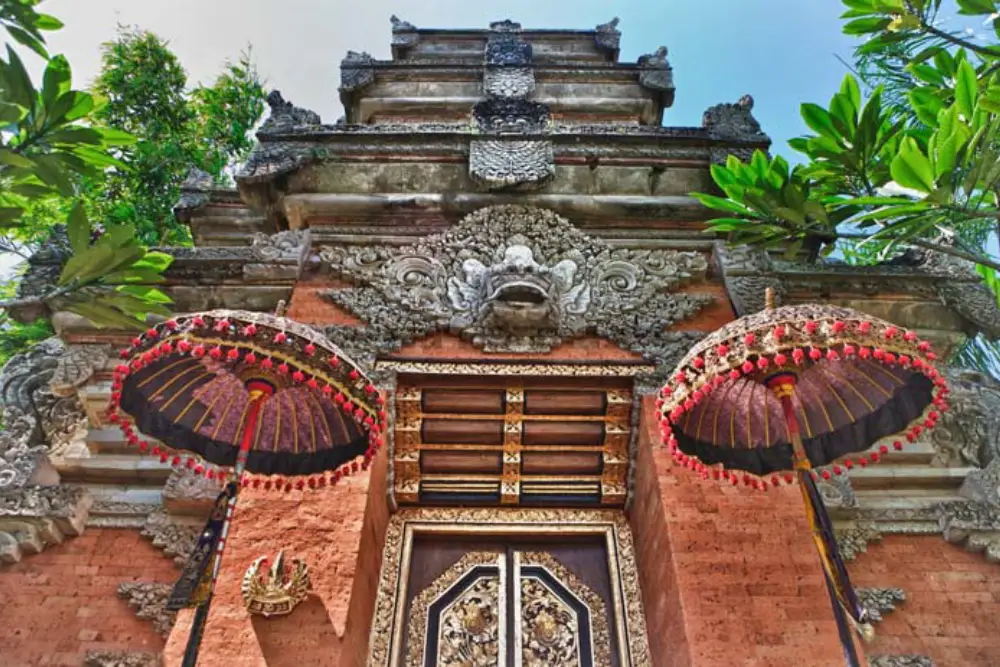
Jl. Raya Ubud No.8, Kecamatan Ubud
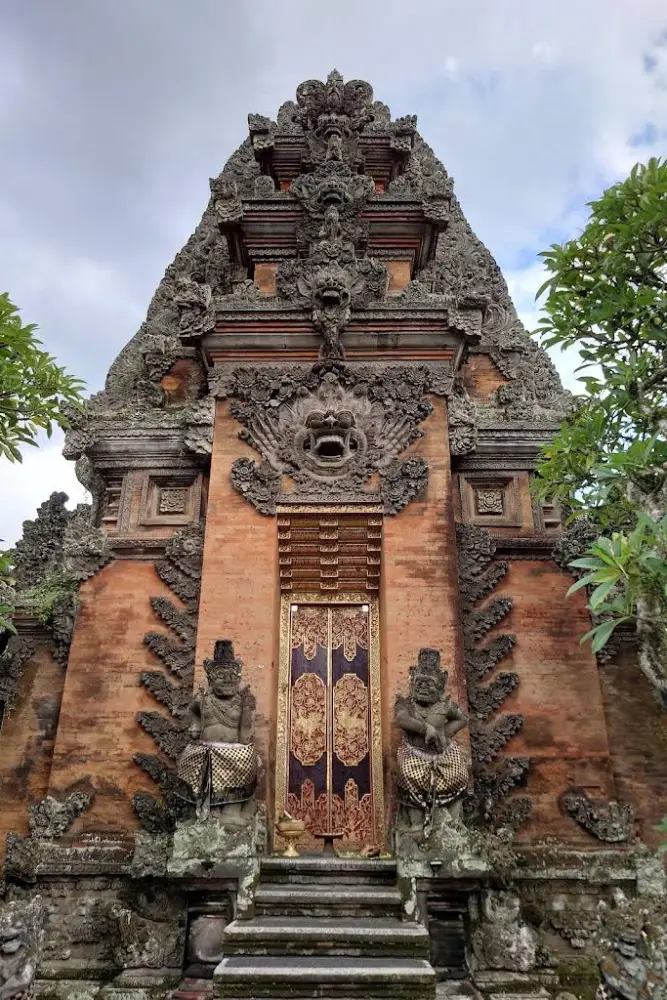
Puri Saren Agung often becomes one of the main routes for the Ogoh-ogoh parade. With the backdrop of Balinese royal architecture, this area offers an authentic Pengerupukan viewing experience in the heart of Ubud’s cultural center.
2. Jalan Monkey Forest
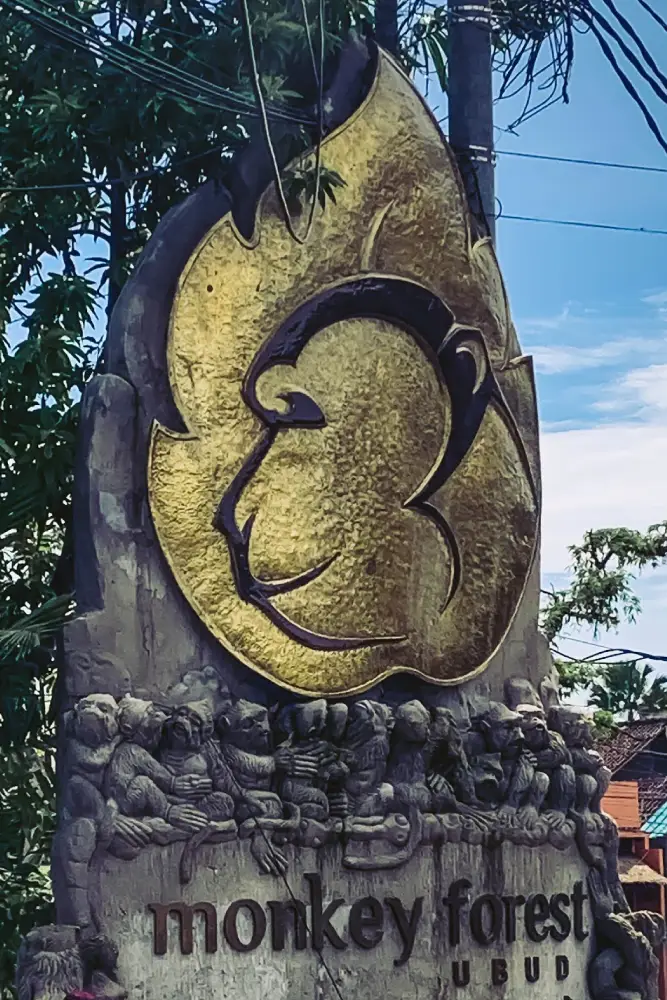
Jl. Monkey Forest, Padangtegal, Kecamatan Ubud
Jalan Monkey Forest is a popular corridor frequently passed by Ogoh-ogoh processions. Along this street, visitors can feel the lively Pengerupukan atmosphere with baleganjur music and crowds of spectators.
3. Puri Agung Peliatan & Banjar Peliatan
Jl. Cok Gede Rai, Peliatan, Kecamatan Ubud
The Peliatan area is known for actively presenting large Ogoh-ogoh with impressive artistic details. This area is ideal for travelers who want to experience Pengerupukan with a strong sense of local banjar community spirit.
🗓️ Ritual Sequence & Brief Schedule of Pengerupukan – Nyepi
1. Melasti
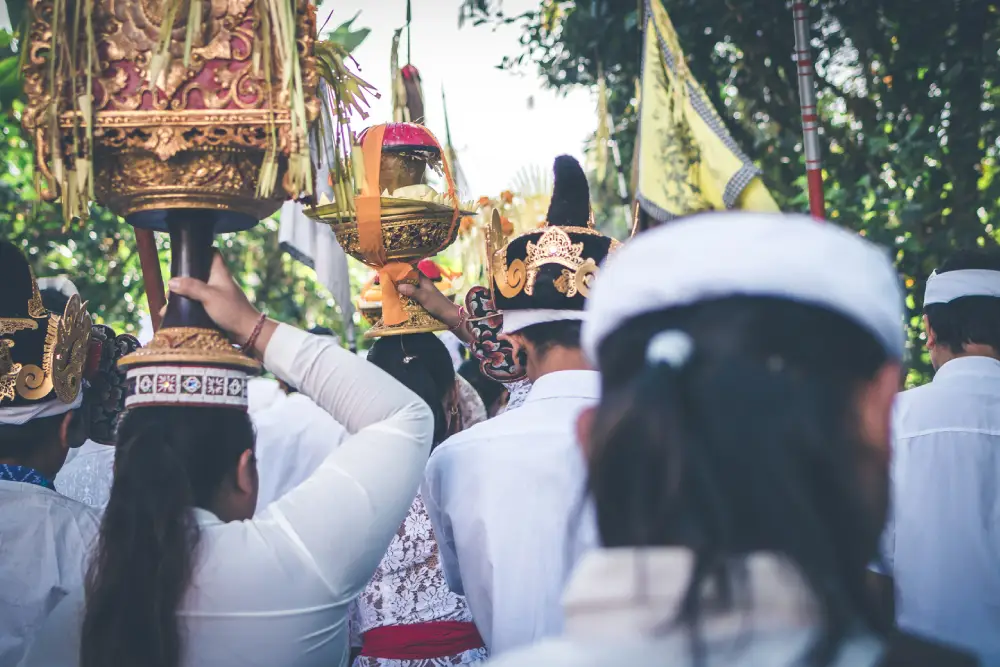
Firstly, the Melasti ceremony is the initial stage in the Nyepi series, aimed at purifying individuals, ceremonial objects, and the universe. During this procession, Balinese Hindus walk to the sea or sacred water sources as a symbol of physical and spiritual cleansing. Ultimately, this ritual marks the community’s spiritual readiness before entering the sacred days leading up to Nyepi.
2. Tawur Kesanga
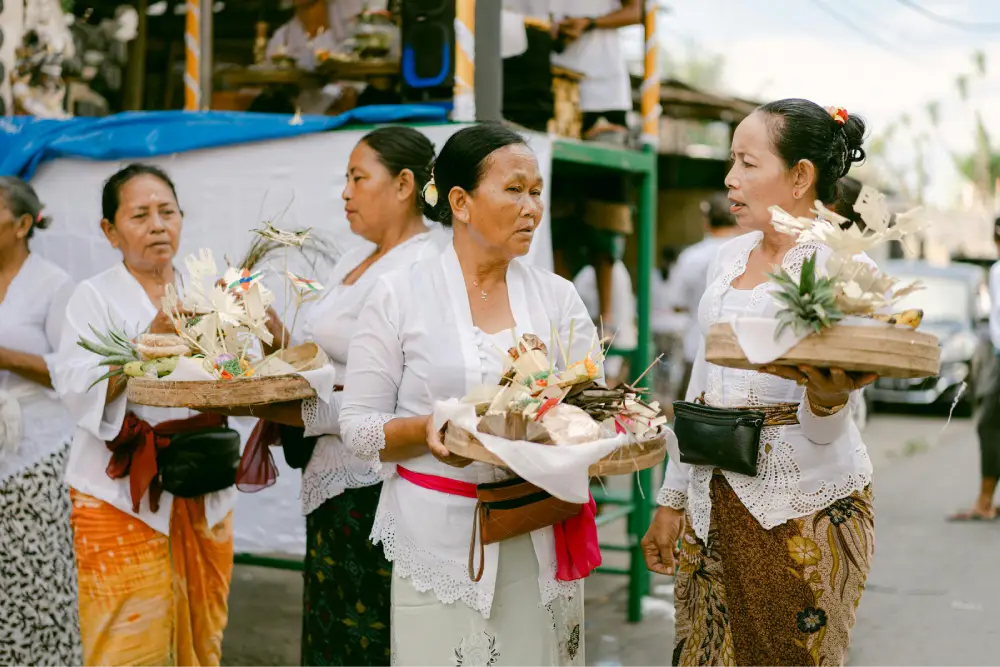
Tawur Kesanga is held one day before Nyepi as an offering ritual to nature and unseen beings. This ceremony aims to maintain balance between humans, nature, and the spiritual world. Offerings are placed at crossroads and certain areas as a symbol of energy harmonization before entering the silence of Nyepi.
3. Ogoh-ogoh Parade
The Ogoh-ogoh parade takes place on the night of Pengerupukan and is the most festive part of the Nyepi series. Ogoh-ogoh statues representing negative traits and evil spirits are paraded around villages or cities, accompanied by dynamic baleganjur gamelan music as a symbol of expelling negative energy.
4. Nyepi
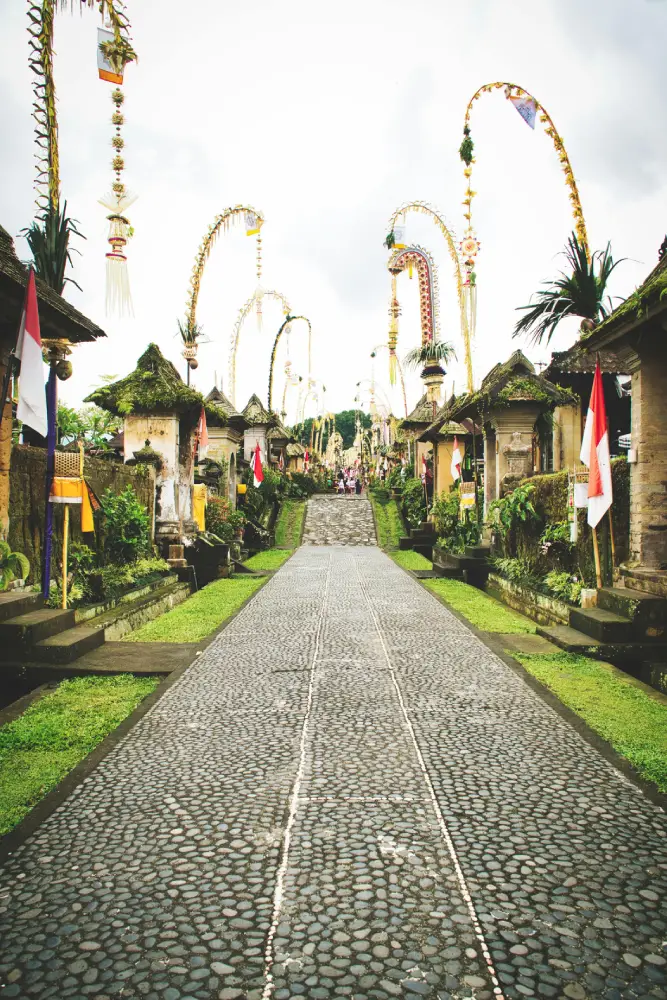
Nyepi is the peak of the ritual series, observed in total silence for 24 hours. All activities stop as a form of self-reflection and inner purification through the Catur Brata Penyepian. Bali’s atmosphere transforms into one of profound stillness and deep spiritual meaning.
5. Ngembak Geni
Finally, Ngembak Geni is the day after Nyepi, when social life returns to normal. On this occasion, people visit one another, ask for forgiveness, and strengthen family and social bonds as a symbol of a new beginning.
🌺 Experience Balinese Traditions More Closely with Bali Eden Guide
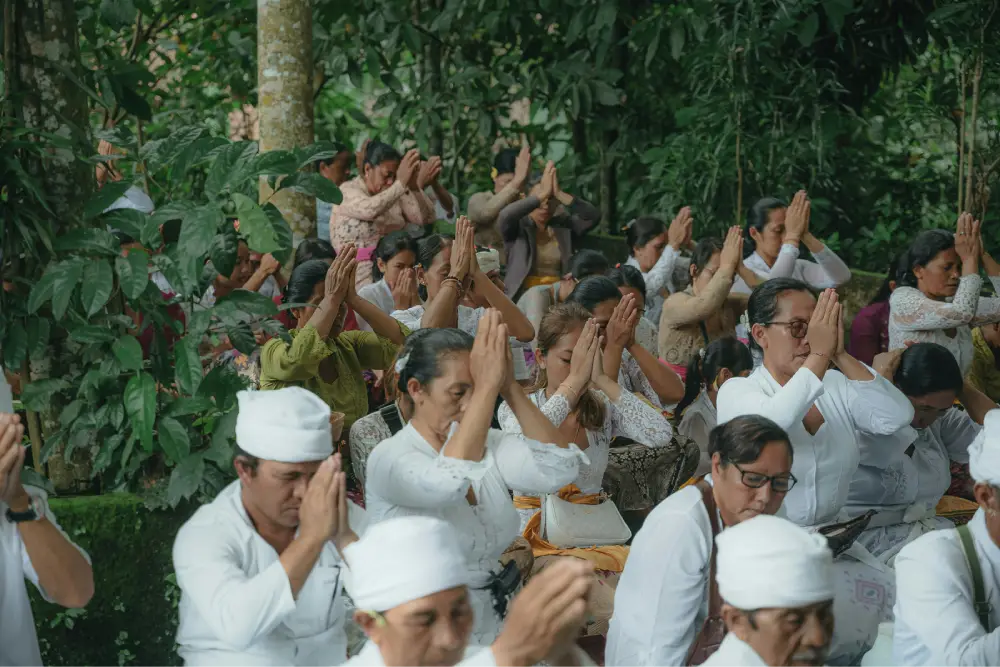
Witnessing Nyepi & Pengerupukan in Ubud is a rare and meaningful cultural experience. From the vibrant Ogoh-ogoh celebrations to the silence of Nyepi, each ritual reflects the Balinese philosophy of life balance.
Discover cultural guides, the best times to visit, and other Bali travel tips only at Bali Eden Guide. Follow us on Instagram @baliedenguide for travel inspiration and authentic stories of Bali. 🌴