
Galungan and Kuningan in Bali: Meaning & Traditions
Galungan and Kuningan in Bali stand as two of the most important religious and cultural holidays in the life of the Balinese people. These celebrations carry deep spiritual meaning and form an inseparable part of Balinese Hindu traditions.
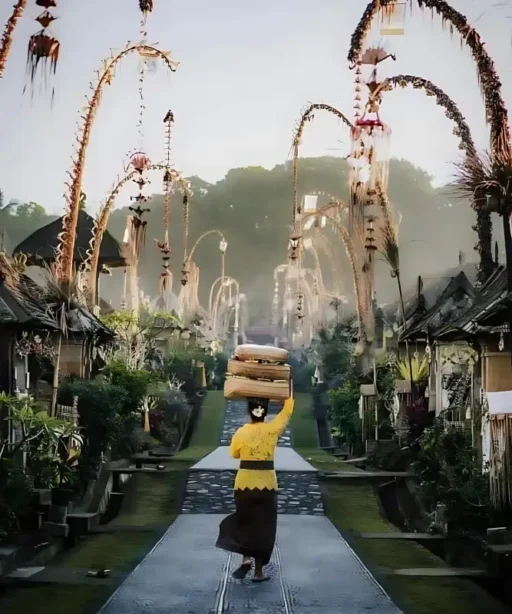
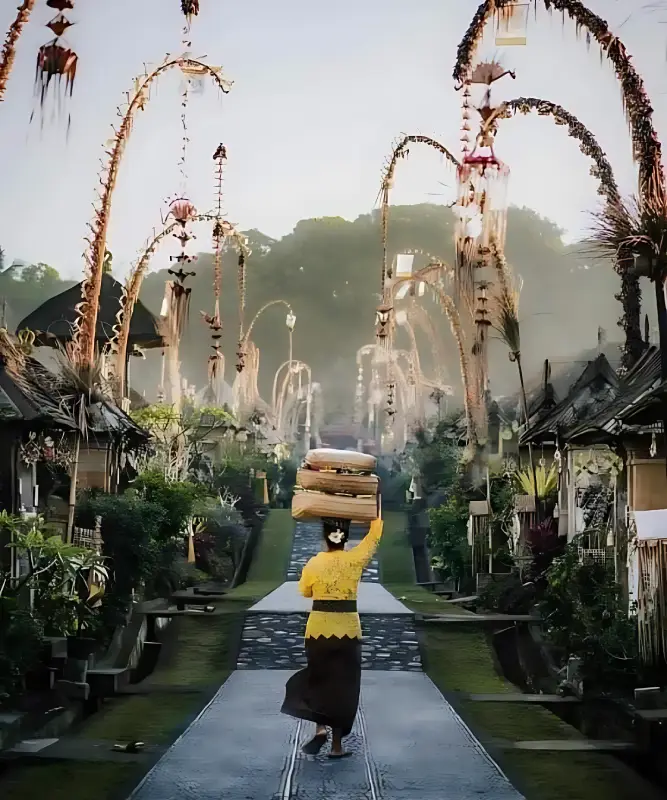
During Galungan and Kuningan, the island of Bali comes alive with penjor lining the streets, prayers filling temples and homes, and vibrant cultural activities taking place everywhere. Beyond worship, these celebrations express togetherness, social harmony, and the rich cultural heritage that Balinese people continue to preserve today.
🕉️The Meaning of Galungan
Galungan ranks as one of the largest Hindu holidays in Bali. The celebration symbolizes the victory of dharma (good) over adharma (evil) and marks the moment when ancestral spirits descend to the world to visit their descendants.
During Galungan, Balinese families decorate homes and temples with penjor, prepare offerings, wear traditional attire, and gather to pray together. Through these activities, Galungan highlights strong family values, gratitude, and spiritual balance in daily life.
In some regions, villagers also practice a unique tradition called ngejot tumpeng, especially for newly married couples.
Read More Festivals & Traditional Ceremonies in Bali: Living Cultural Heritage
💍 A Unique Community Tradition – Ngejot Tumpeng
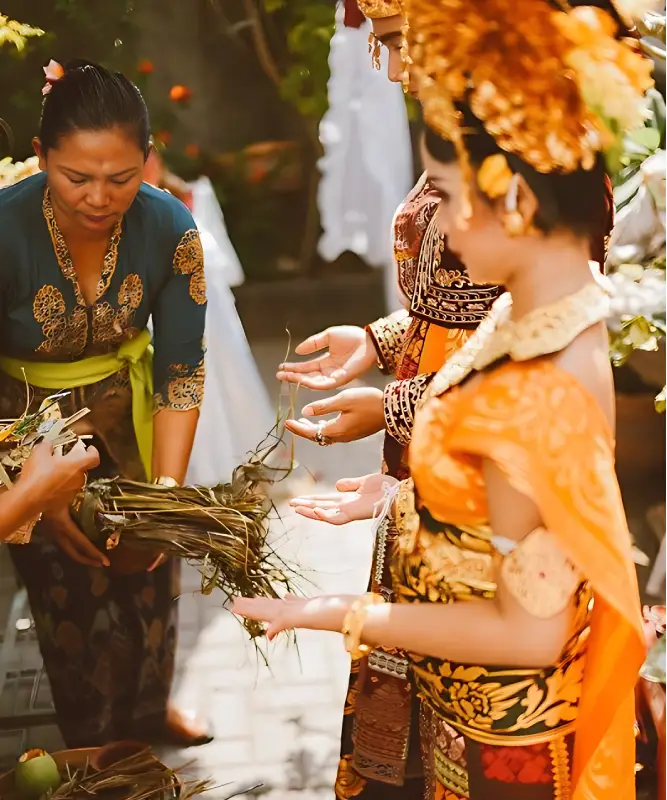
Ngejot tumpeng is a traditional Balinese custom that offers blessings to newly married couples. Villagers visit the couple’s home and present offerings (banten) along with prayers and sincere wishes for prosperity, harmony, and happiness in married life.
At the same time, this tradition allows neighbors to build closer relationships with the newlyweds and strengthen social bonds within the community. Through ngejot tumpeng, Balinese people emphasize spiritual support, shared responsibility, and togetherness. The community prepares traditional foods with care, offers collective prayers, and performs the ritual respectfully in accordance with local customs.
🎋 What Do Balinese People Do During the Galungan Celebration in Bali?
1. Making Penjor
Penjor serves as the most iconic symbol of Galungan. Balinese people create penjor from tall bamboo and decorate them with young coconut leaves, flowers, fruits, and agricultural produce. Families install penjor in front of their homes to symbolize prosperity, gratitude, and the triumph of dharma. As a result, streets across Bali display a sacred and festive atmosphere.
2. Preparing Banten (Offerings)
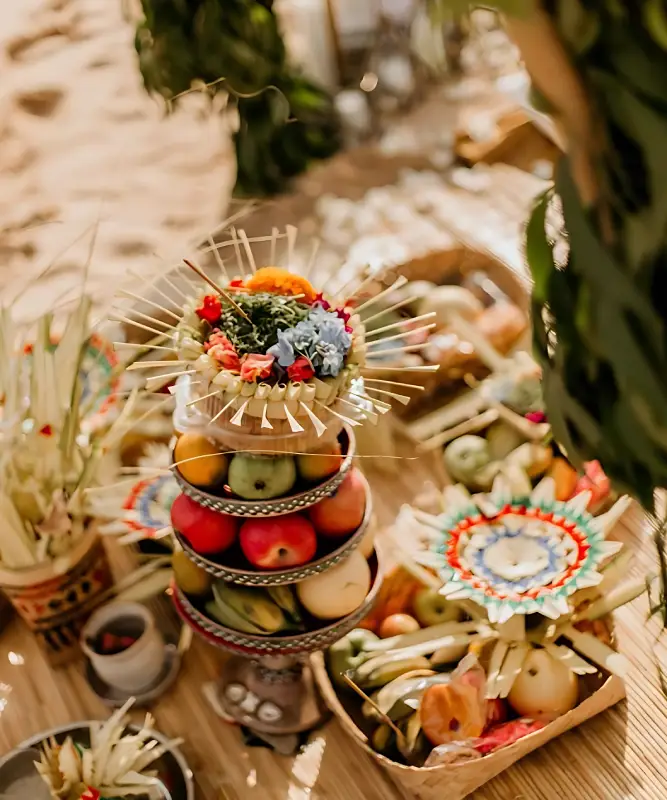
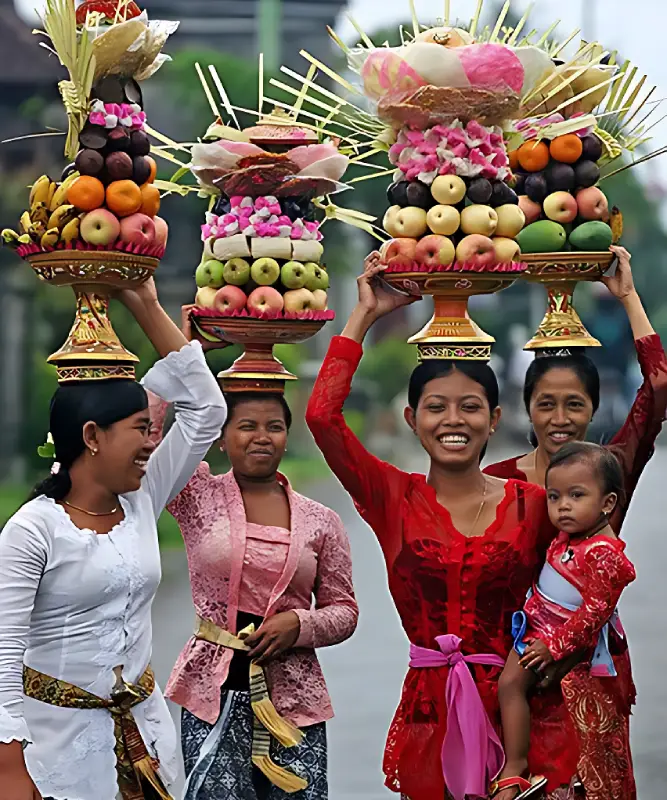
Balinese families actively prepare banten, which consist of flowers, fruits, traditional foods, and leaves. They present these offerings at temples, homes, and workplaces to honor the gods and ancestral spirits. In addition to their spiritual purpose, banten reflect artistic beauty and careful craftsmanship.
3. Cooking Lawar (Traditional Balinese Dish)
Galungan also connects closely with traditional dishes such as lawar. Families make lawar by mixing vegetables, grated coconut, minced meat, and Balinese spices. Relatives often cook together, which strengthens cooperation and togetherness. Families usually serve lawar with babi guling or Balinese satay.
4. Praying at the Temple
Praying at temples is the core of the Galungan Festival in Bali. Balinese Hindus wear traditional clothing, bring banten, and pray for safety, prosperity, and harmony in life to Ida Sang Hyang Widhi Wasa. This ritual strengthens spiritual bonds while also demonstrating the richness of Balinese religious traditions that remain well preserved.
Read More Do and Don’ts in Ubud: Cultural Tips for First-Time Visitors
🕉️ What Is the Kuningan Festival in Bali?
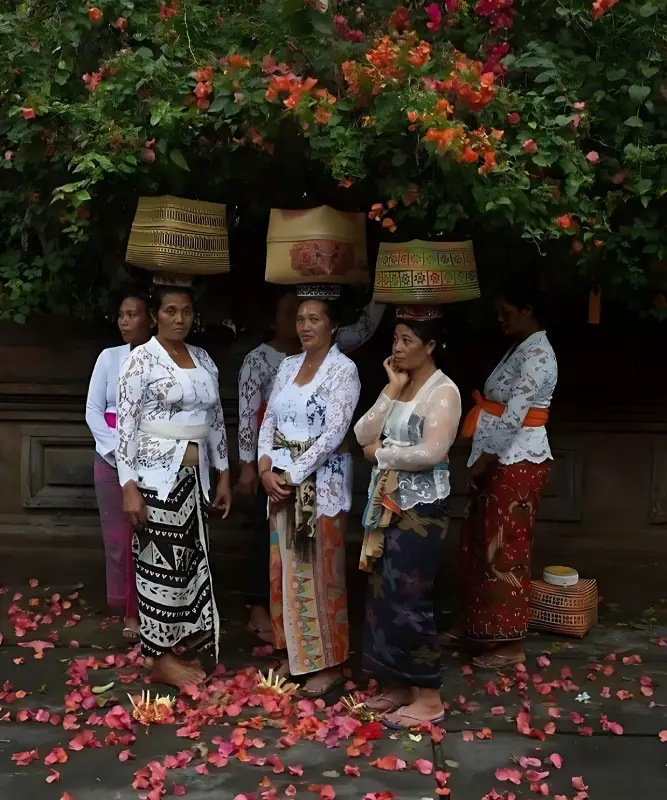
Kuningan is a sacred Hindu day in Bali celebrated ten days after Galungan. This celebration marks the end of the Galungan cycle and symbolizes the time when ancestral spirits return to the spiritual realm. Kuningan is usually observed for only half a day, from morning to noon, and serves as the climax of the Galungan ceremonies.
During the Kuningan Festival, people present banten kuningan, special offerings that typically consist of yellow rice, chicken, eggs, and agricultural produce as symbols of prosperity and gratitude. Balinese Hindus also perform prayers at temples and homes, share meals, and distribute offerings to honor their ancestors. Kuningan emphasizes the importance of spirituality, gratitude, and family togetherness, while also strengthening social bonds and cultural values within the Balinese community.
🎋What Do Balinese People Do During the Kuningan Celebration in Bali?
1. Preparing Banten / Offerings
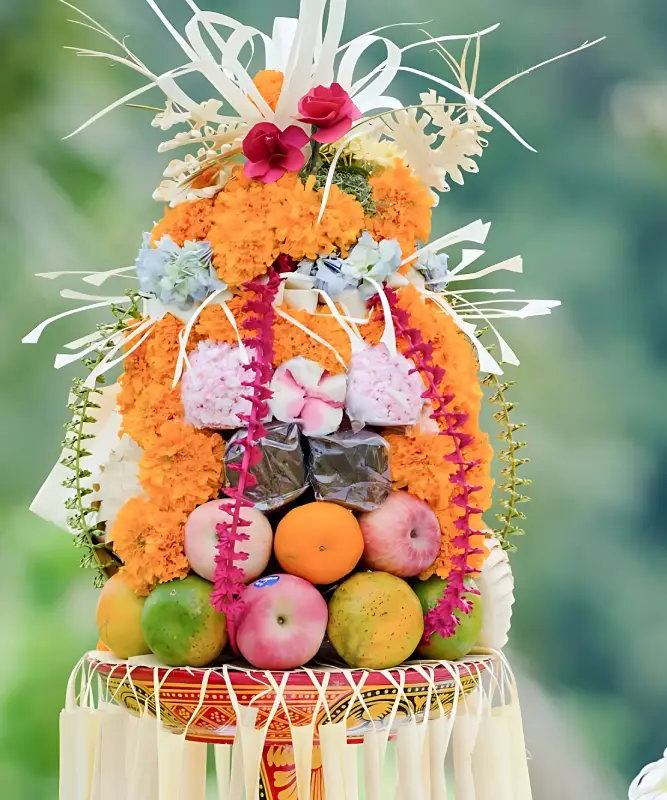
The Balinese prepare banten, which are offerings consisting of flowers, fruits, traditional foods, and leaves. Banten are presented at temples, homes, and workplaces as a form of respect to the gods and ancestral spirits. Besides their spiritual meaning, banten also showcase the beauty of art and meticulous craftsmanship in Balinese Hindu traditions.
2. Cooking Special Offerings with Yellow Rice
3. Praying at the Temple
During Hari Raya Kuningan in Bali, praying at temples and family shrines becomes the central focus, as Balinese Hindus gather to give thanks and seek blessings from Ida Sang Hyang Widhi Wasa and honor ancestral spirits who are believed to return to the spiritual realm after the Galungan period. Devotees wear traditional Balinese attire, bring offerings, and perform prayers from morning until noon, because it is believed that the divine presence returns to its origin before midday. This temple worship reflects the deep spiritual devotion, gratitude, and sense of community within Balinese Hindu tradition.
Read More Sacred Temples in Ubud: A Guide to Bali’s Spiritual Heritage
❤️ Galungan and Kuningan in Bali
Bali Eden Guide invites you to experience Bali at its most sacred during Galungan and Kuningan, when the island comes alive with colorful penjor, temple ceremonies, and deep spiritual meaning. This is the perfect time to witness authentic Balinese culture, traditions, and harmony between humans, nature, and the divine. Explore streets lined with penjor, observe temple rituals, and feel the peaceful atmosphere that defines Bali’s spiritual heritage. Save this post to plan your visit during Galungan and Kuningan. Follow @baliedenguide for more Bali culture & travel inspiration 🤍