
Exploring Balinese Culture: Places, Arts, and Daily Life
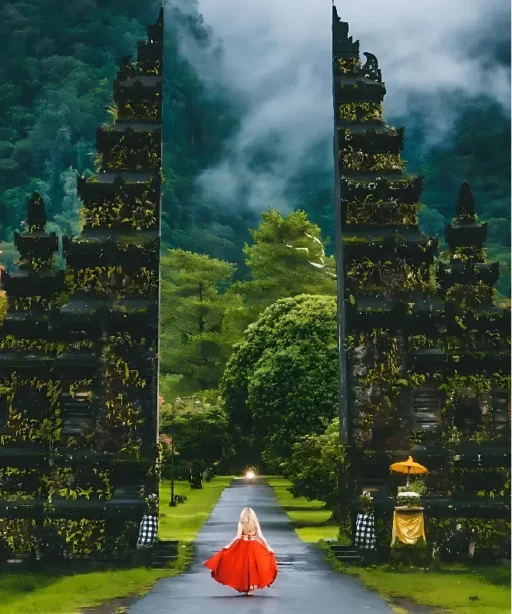
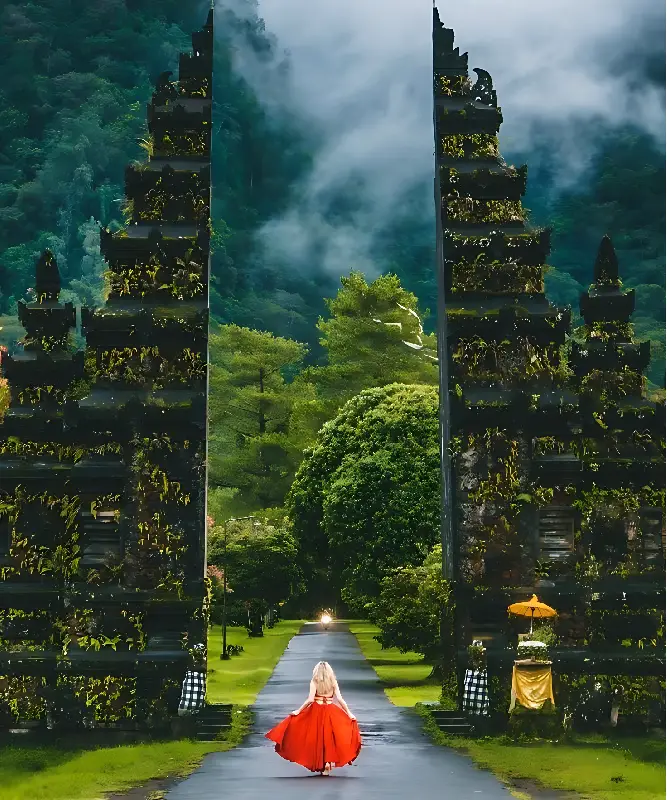
Bali is often known as a tropical paradise; however, the island is far more than beaches and resorts. In reality, Bali is a living destination shaped by Balinese culture and daily life, which continue to thrive today. From ancient temples and sacred ceremonies to local art, dance, and music, the island offers countless opportunities to experience authentic traditions firsthand. Moreover, traditional villages clearly reflect Balinese culture and daily life, shaped by centuries-old customs, communal values, and spiritual harmony.
Culture in Bali is not only preserved in temples; instead, it flows naturally through community activities, local festivals, and everyday rituals. Therefore, for travelers seeking deeper meaning beyond sun and sand, exploring Balinese culture and daily life becomes the most meaningful way to understand the soul and identity of the Island of the Gods.
🛕Balinese Temples and Daily Spiritual Life
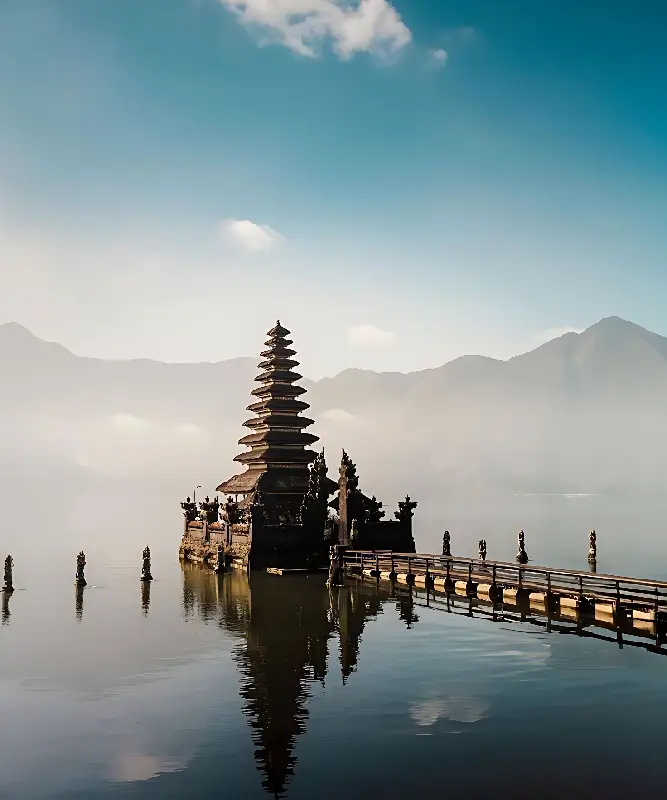
Temples play a central role in Balinese culture and daily life. In fact, they function not only as places of worship but also as centers of social interaction and spiritual balance. As a result, visiting these sacred sites offers valuable insight into rituals, architecture, and traditions passed down through generations.
1. Tanah Lot
Famous for its seaside location and stunning sunset views, Tanah Lot is one of the most iconic temples in Bali. The combination of sacred rituals and the sound of crashing waves creates a deeply powerful spiritual atmosphere.
2. Uluwatu Temple
Located atop a high cliff overlooking the Indian Ocean, Uluwatu Temple is renowned for its spectacular natural scenery and Kecak dance performances held at sunset.
3. Besakih Temple
Known as the Mother Temple, Besakih Temple is the largest and most sacred temple complex in Bali. Situated on the slopes of Mount Agung, it serves as the center for major Hindu ceremonies in Bali.
4. Tirta Empul
Tirta Empul is a holy water temple renowned for its holy springs. Here, locals and tourists alike can participate in a purification ritual to cleanse their bodies and souls.
Read More Sacred Temples in Ubud: A Guide to Bali’s Spiritual Heritage
🎭 Balinese Arts as Part of Daily Cultural Life
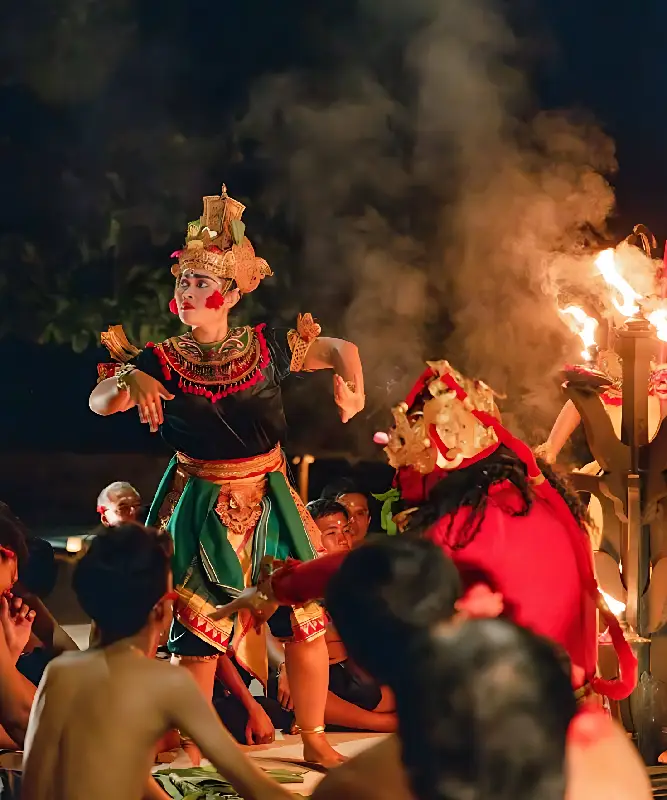
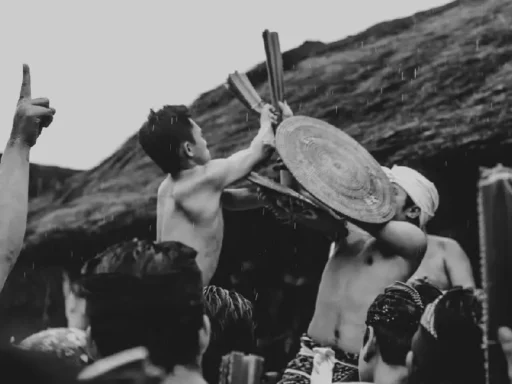
Art is inseparable from Balinese culture and daily life. In other words, creative expression is deeply connected to religious offerings and communal ceremonies. Because of this, Balinese arts remain living traditions rather than staged performances.
1. Traditional Balinese Dance Performance
For instance, dances such as Barong, Legong, and Kecak narrate epic Hindu stories like the Ramayana. As a result, every movement, costume, and rhythm carries symbolic and spiritual meaning.
2. Traditional Crafts
Furthermore, art villages around Ubud offer hands-on experiences such as batik-making, wood carving, and silver crafting. Through these activities, visitors gain a deeper appreciation of skills preserved across generations.
3. Balinese Cooking Class
Additionally, Balinese cooking classes allow travelers to explore culture through food. By learning directly from local chefs, visitors experience Balinese culture and daily life through traditional flavors and fresh local ingredients.
🏡 Exploring Bali’s Traditional Villages
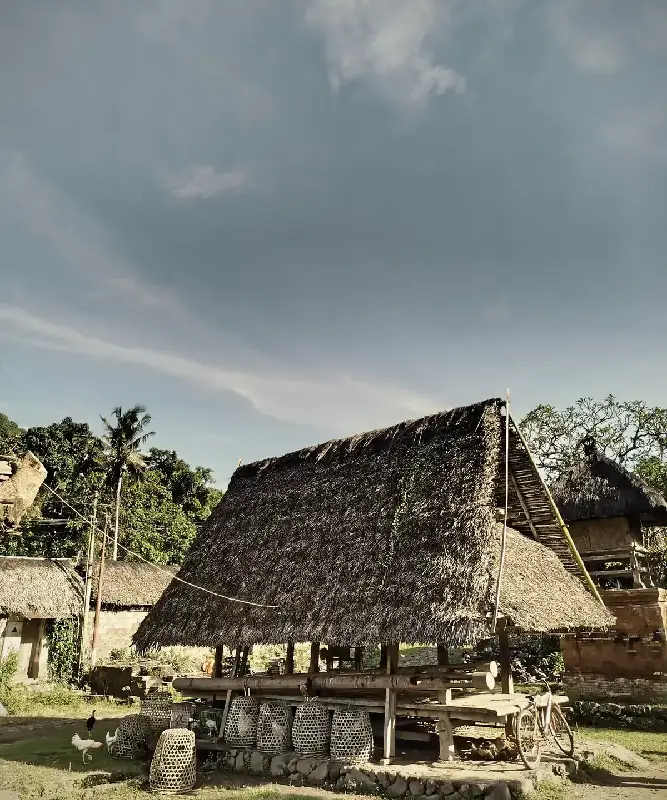
For tourists seeking a more authentic cultural experience, exploring Bali’s traditional villages is highly recommended. These villages still maintain Balinese customs, architecture, and lifestyles that have been passed down through generations. Walking through these villages provides a vivid glimpse into daily life and Balinese traditions. Some traditional villages that can be visited in Bali include :
1. Penglipuran Village
Not only is Penglipuran Village known for its exceptional cleanliness, but it is also admired for its harmonious layout. As a result, the village reflects balance, order, and respect for tradition.
2. Tenganan Village
Tenganan Village is famous for its ancient customs and weaving traditions.Geringsing, a very rare Bali Aga cloth. This village provides insight into Bali Aga culture that still survives today.
3. Sidemen Valley
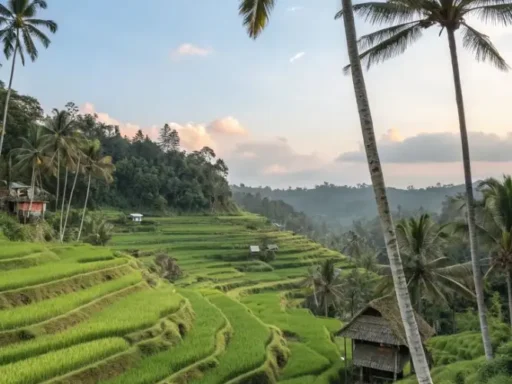
Located in East Bali, Sidemen Valley offers a tranquil experience of Balinese rural life. Tourists can enjoy views of terraced rice fields, farming activities, and a pristine natural setting.
Read More Common Balinese Words: A Guide for Guests Traveling in Bali
🤝Ngayah and Community Values in Balinese Daily Life
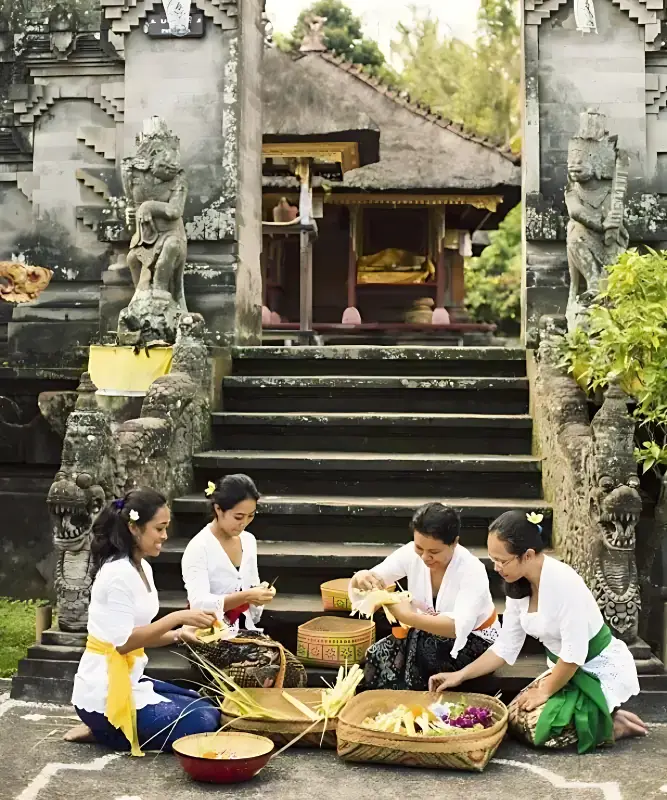
Community cooperation remains a cornerstone of Balinese culture and daily life. Therefore, social harmony is maintained through shared responsibilities and collective values.
1. Ngayah
Volunteer activities carried out at temples or in community projects reflect the values of selfless devotion to God, society, and the surrounding environment.
2. Menyama Braya
The concept of togetherness and mutual cooperation in village life. Menyama Braya teaches people to treat each other as family.
3. Banjar Activities
Banjar, the smallest social unit in Bali, organizes meetings, ceremonies, and communal activities that sustain daily cultural life.
❤️ Experience the True Soul of Bali
Bali Eden Guide invites you to read and experience Bali beyond its beaches through unique cultural experiences that reflect its deep traditions, spirituality, and the way of life of its people. From temple ceremonies and daily offerings to traditional village activities, Bali offers an authentic cultural journey grounded in harmony between people, nature, and God.
Explore traditional villages, witness sacred rituals, and observe the daily practices that shape the Balinese way of life. Each experience reveals the deepest aspects of Bali’s soul and its cultural heritage, which lives on to this day. Follow @baliedenguide for more Bali culture & travel inspiration ✨