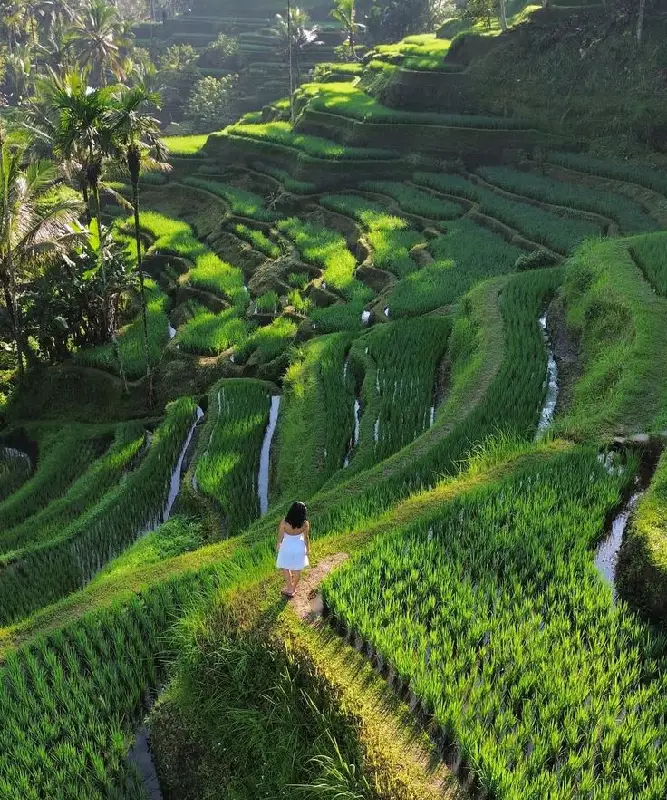

Rice Terraces & the Subak System in Bali
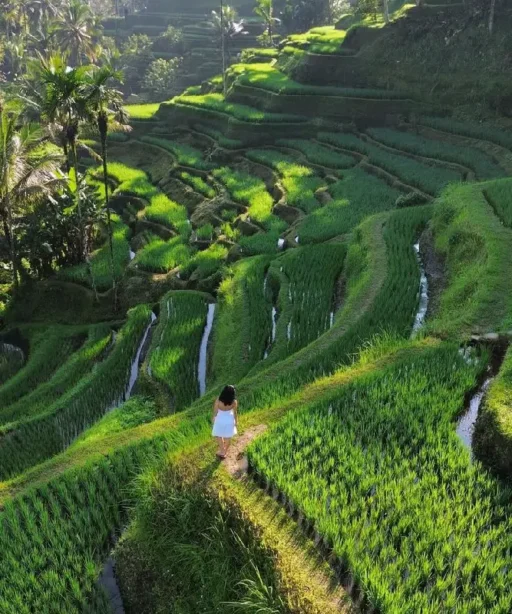
Bali rice terraces are more than just lush green landscapes. Indeed, the Bali rice terraces reflect a harmonious relationship between nature, culture, and daily life. Balinese people shaped these tiered landscapes over centuries through collective effort. As a result, they created scenery that is both beautiful and sustainable.
Behind this beauty lies a life philosophy of balance and togetherness. Communities continue to preserve and pass down these traditions through generations. Furthermore, the Bali rice terraces symbolize how locals live in harmony with nature without exploiting it.
🌱 Bali as an Agrarian Society
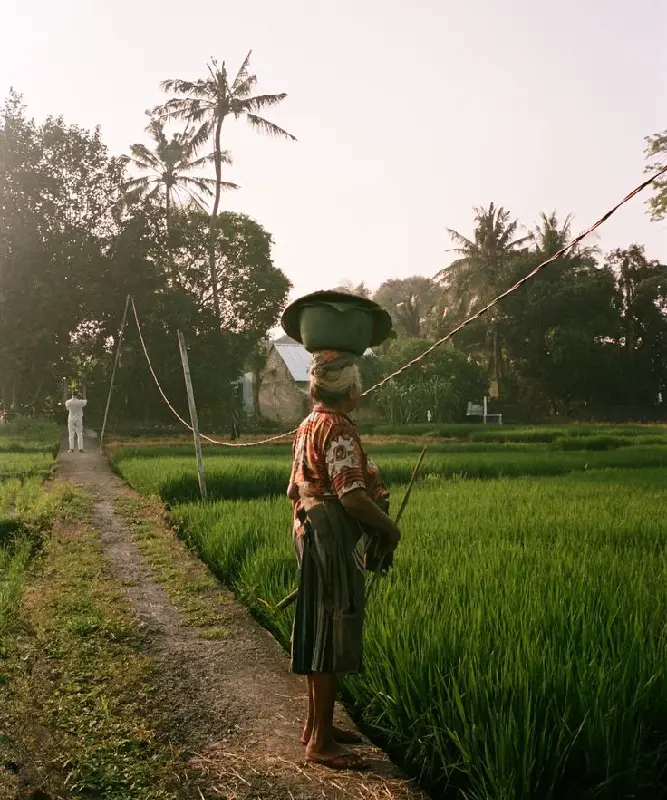
For centuries, Balinese society has thrived as an agrarian community. Farmers depend deeply on rice farming for their livelihood. Specifically, rice fields are the foundation of the local economy and social structure.
The traditional calendar and religious ceremonies regulate the cycles of planting and harvesting. Therefore, agriculture is inseparable from Balinese spiritual life. Farmers accompany every stage of farming with rituals to express gratitude toward nature and the gods.
Read More Adventure Journey in Ubud: Exploring Bali’s Heart of Tropical Nature
💧The Subak System Behind Bali Rice Terraces
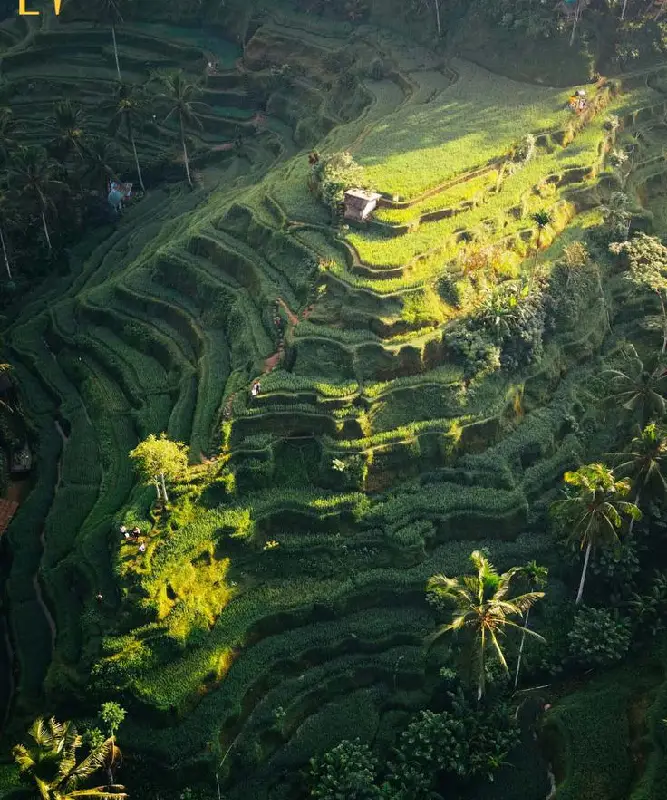
Subak is a traditional irrigation system. Essentially, it manages the fair distribution of water from springs and rivers to the fields. Farmers manage this system collectively through a customary organization. Moreover, this group has its own rules and leadership. They center their meetings and rituals around water temples.
Beyond technical irrigation, Subak carries deep cultural values like solidarity and harmony. Through this system, no single rice field receives excessive priority. Farmers believe that a balanced water flow brings prosperity and sustainability to everyone.
🏛️ A UNESCO World Heritage Site
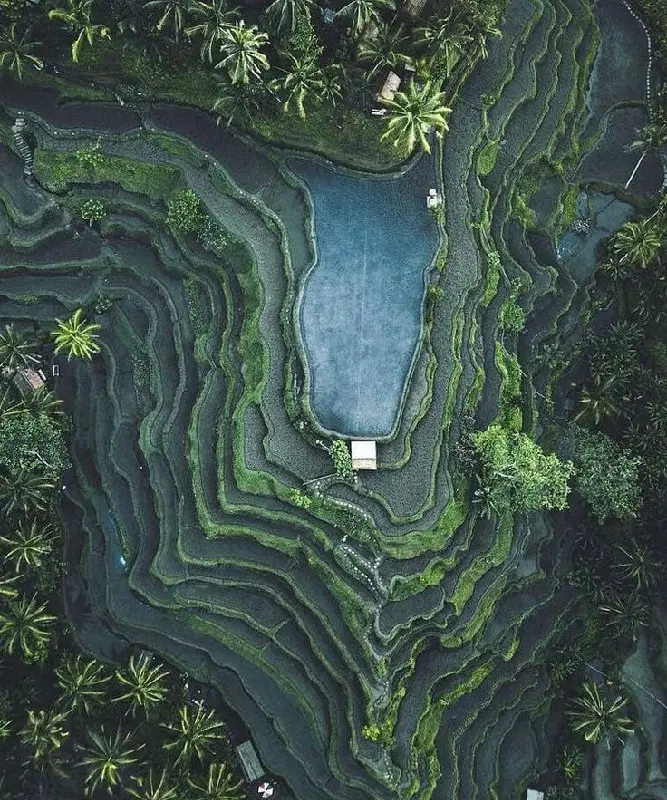
In 2012, the Subak system was officially recognized as a UNESCO World Heritage Site for representing a fair, sustainable, and community-based water management system. Subak not only regulates agricultural irrigation but is also closely connected to spiritual, social, and philosophical values rooted in Tri Hita Karana the concept of harmony between humans, nature, and the divine.
Today, Subak is still actively practiced across many parts of Bali, especially in traditional rice-farming areas such as Jatiluwih and Tegalalang. Its continued existence proves that local wisdom and ancestral traditions can endure, adapt, and remain relevant amid modernization without losing Bali’s cultural identity.
Read More Beautiful Waterfalls Near Ubud: Nature’s Hidden Gems
❤️ Exploring Bali rice terraces the Harmony of Nature & Culture in Bali
Rice terraces and the Subak system are not just beautiful landscapes, but living heritage that reflects the balance between humanity, nature, and spirituality in Bali. Through these calming green vistas, visitors are invited to experience an authentic and meaningful side of the island.
Follow Bali Eden Guide to explore the best rice terraces, the stories behind the Subak system, and Bali’s hidden gems. Don’t forget to follow us on Instagram @baliedenguide for travel inspiration and unforgettable cultural experiences.