
Festivals & Traditional Ceremonies in Bali: Living Cultural Heritage
Bali is well known for its deeply rooted spiritual life and long-standing religious traditions. Throughout the year, the island hosts various festivals and traditional ceremonies that reflect harmony between humans, nature, and the divine. As a result, these celebrations bring Balinese culture to life through colorful offerings, sacred rituals, traditional music, and strong community involvement.
Read More Kecak and Fire Dance Ubud: A Magical Balinese Cultural Show
👹 Ogoh-Ogoh Parade
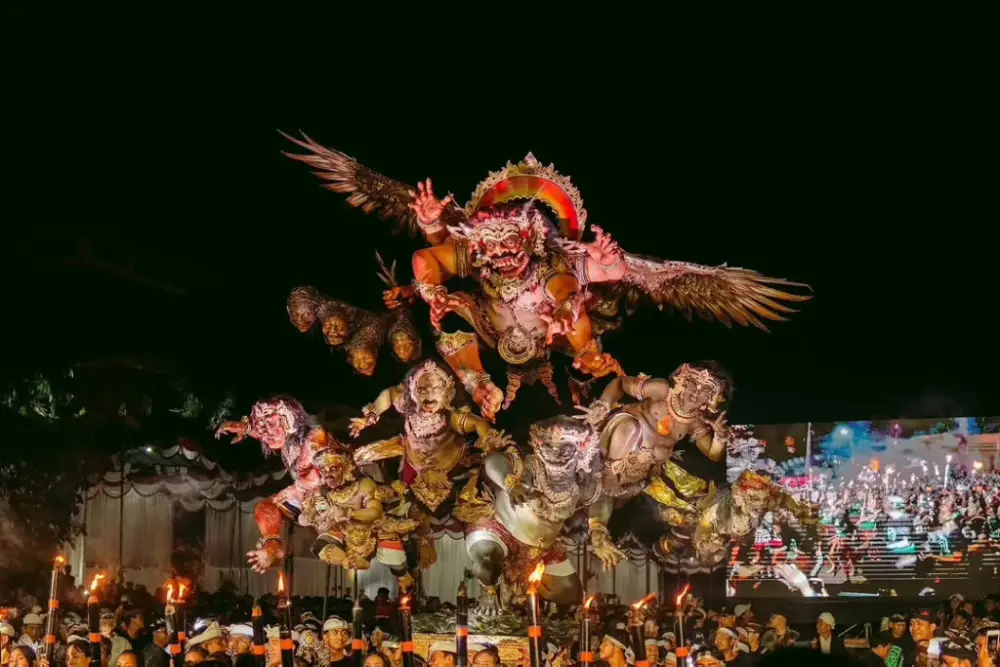
The Ogoh-Ogoh Parade takes place on the eve of Nyepi, also known as Pengrupukan Day. During this event, local youth create giant effigies called ogoh-ogoh, which represent Bhuta Kala or negative forces in the universe. Next, communities parade these statues through villages while traditional baleganjur music fills the streets. Finally, people burn the ogoh-ogoh to symbolize purification and the removal of negative energy.
🌾 Penjor Tradition
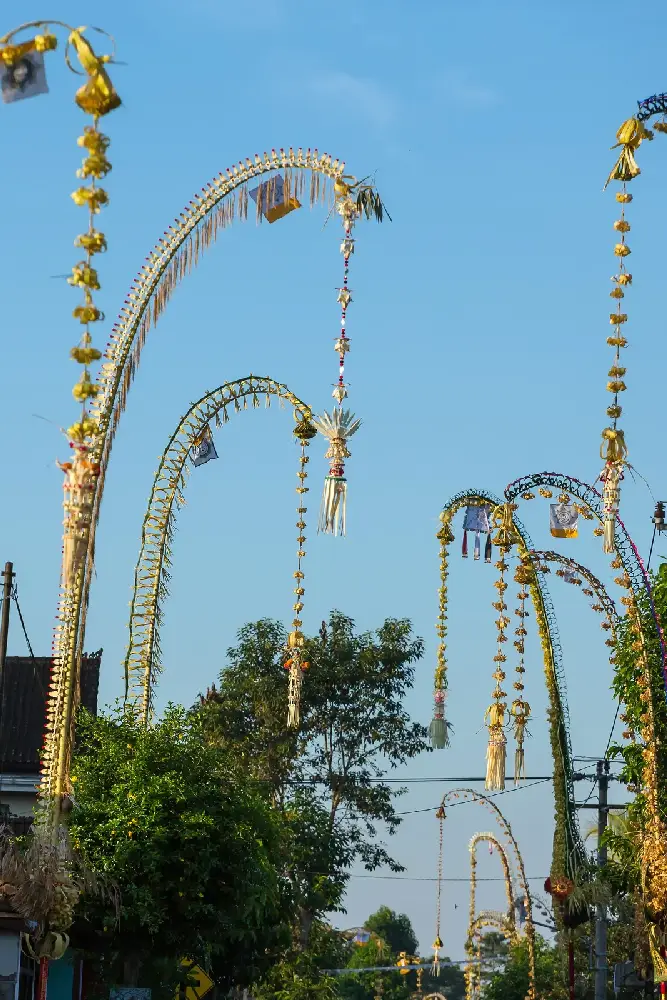
Penjor are tall bamboo poles decorated with coconut leaves, agricultural products, and traditional Balinese ornaments. They symbolize prosperity, gratitude, and harmony between humans and nature, serving as offerings to Sang Hyang Widhi Wasa. Penjor are most commonly seen during the Galungan and Kuningan celebrations, lining houses, temples, and village roads. Their presence creates a sacred atmosphere and enhances Bali’s distinctive cultural landscape.
Read More Melukat in Bali: Discover Bali’s Sacred Water Purification Ritual
🕉️ Galungan & Kuningan
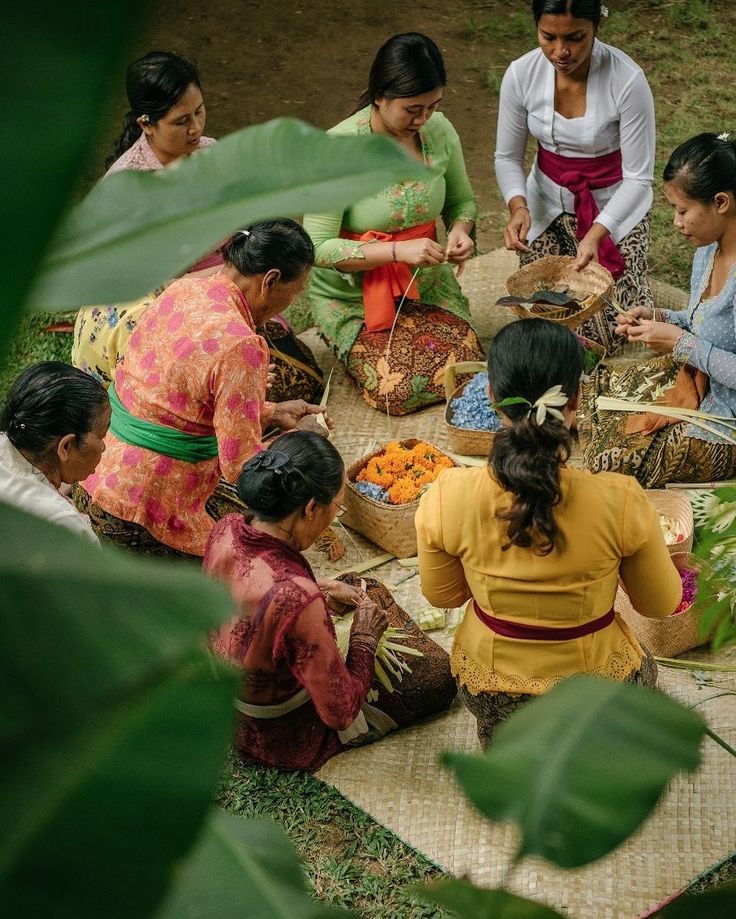
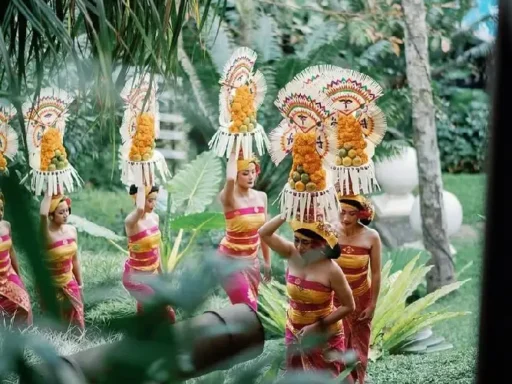
Galungan is one of the most important Hindu festivals in Bali, celebrating the victory of Dharma (good) over Adharma (evil). On this day, Balinese Hindus pray at family temples, village temples, and major temples, with villages beautifully adorned with penjor and ceremonial decorations. Ten days later, Kuningan marks the end of the Galungan period and symbolizes the return of ancestral spirits to the spiritual realm. Kuningan is characterized by yellow-colored offerings, representing prosperity, honor, and gratitude.
🚶 Ngiring
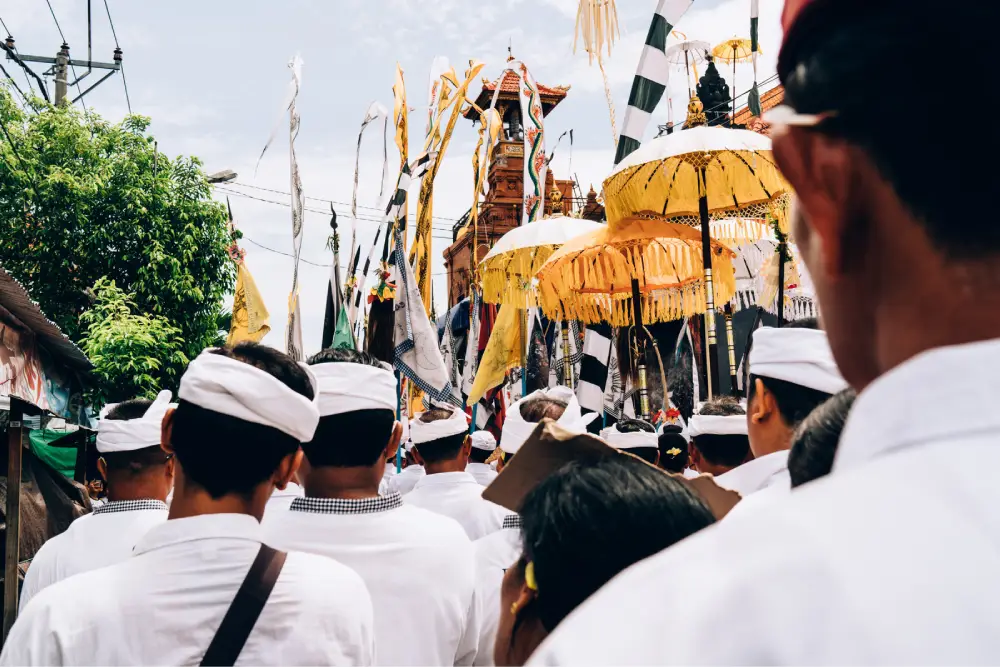
Ngiring is a tradition of walking together to temples to participate in religious ceremonies. This practice is commonly seen during major religious events such as Galungan, Kuningan, and temple anniversaries (odalan). Dressed in traditional attire and carrying offerings, community members walk in unison as a symbol of togetherness, cooperation, and devotion to the divine. Ngiring can still be observed in many traditional villages across Bali, including Ubud and Gianyar.
Read More Nyepi & Pengerupukan in Ubud: Bali’s Most Sacred Traditions
🔥 Ngaben
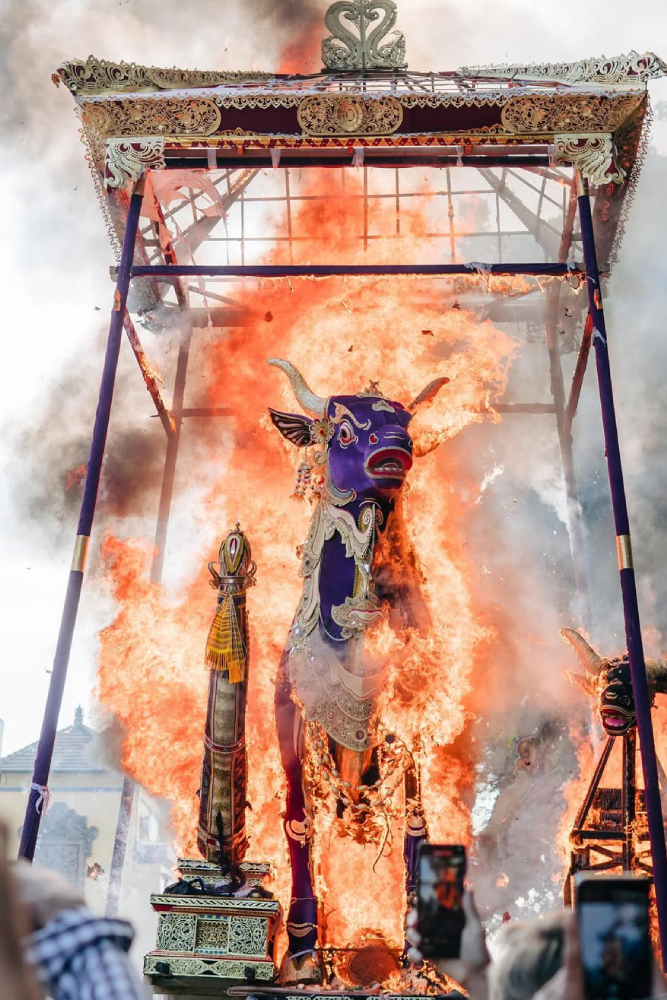
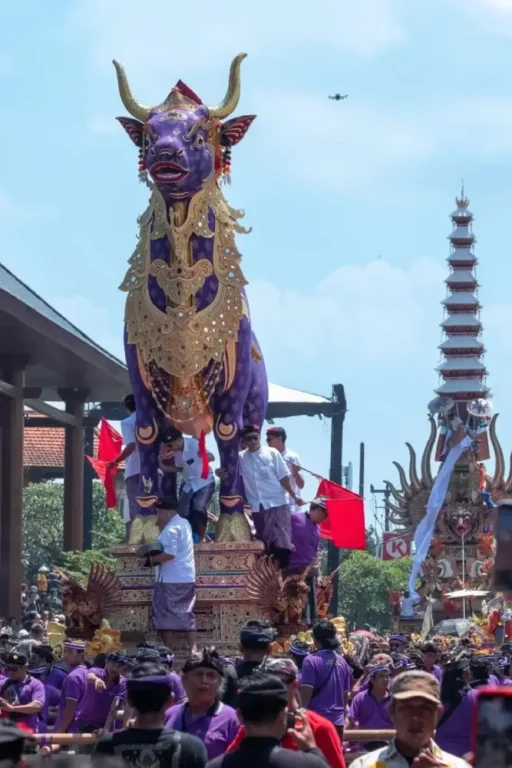
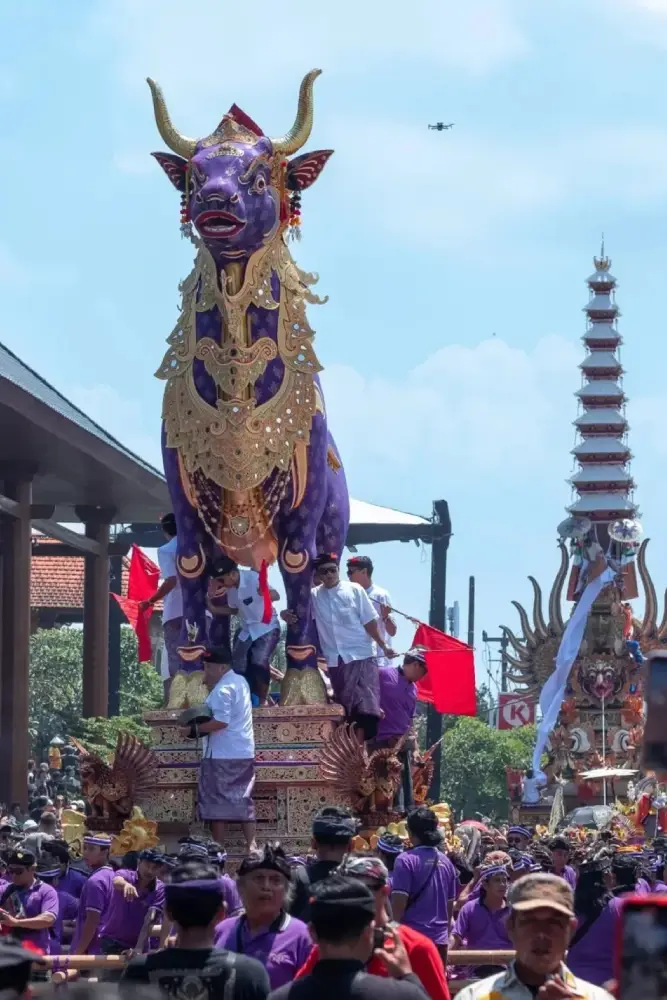
Ngaben is the Balinese Hindu cremation ceremony, performed to purify the soul and release it from worldly attachments. The ceremony usually takes place at the village cremation grounds and involves a long procession with elaborate towers or sacred animal-shaped sarcophagi. Although associated with death, Ngaben is not merely a mourning ritual, but a sacred celebration that guides the soul back to its origin. This ceremony reflects the strong Balinese philosophy of life, death, and reincarnation.
❤️ Embracing the Cultural Soul of the Island of the Gods
Through various Festivals & Traditional Ceremonies in Bali, you can truly experience the island’s deep spirituality, sense of community, and harmonious way of life. Each celebration offers an authentic and meaningful cultural journey. Follow us on Instagram @baliedenguide for travel inspiration, hidden gems, and captivating stories about Festivals & Traditional Ceremonies in Bali.